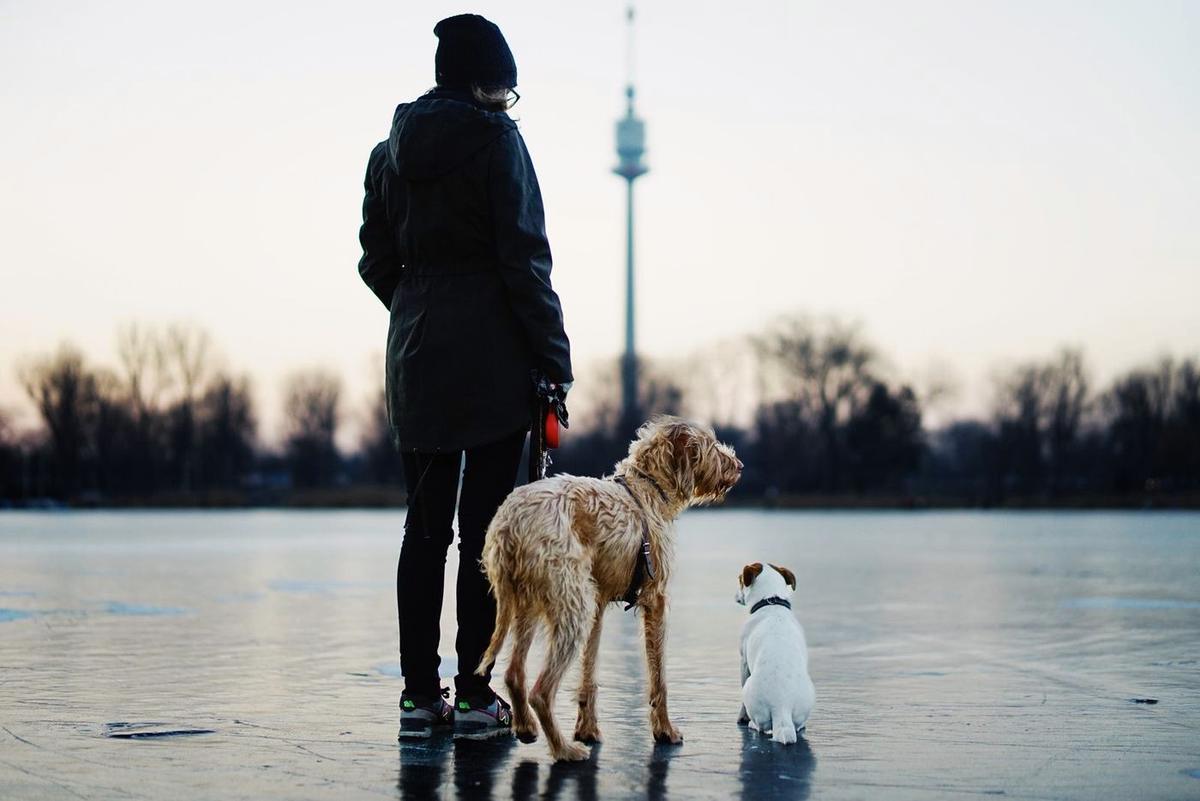
Close neighbors and leash lunging.
- County
- Harris County
- From Houston
- 18 mi north
- Main roads
- Will Clayton Parkway and Townsen Boulevard
- Where dogs walk
- Hirsch Memorial Park and Mercer Park
With so many homes close together, a typical walk in Humble means passing other dogs behind fences, other dogs on leashes and the occasional kid on a bike. A dog that lunges at those sights is often frustrated, afraid or overexcited. The first step is to find the distance at which your dog can see a trigger and still take a treat.
Hirsch Memorial Park and Mercer Park offer wider spaces, but they can also bring more dogs than a quiet block does. Visit at slow hours first and stay far from other dogs. Practice a turn-and-go move: say your cue, turn and walk the other way with a reward. Over time, you can shorten the distance as your dog relaxes.
Fences create their own problem. A dog that races along a fence line rehearses barking every time a person or dog passes. Block the view with film or a screen, or restrict access when you cannot supervise. A trainer can show you how to teach a different habit, such as coming inside for a treat.
A behavior program generally costs $600 to $1,800 as an estimate. Humble is in Harris County.
General estimates only. Prices vary by trainer, dog and market.
Barking and Doorbells$75 to $150 per lesson→Leash Reactivity$600 to $1,800 per program→Behavior Programs$600 to $1,800 per program→Begin with observation.
- For three days, note what your dog does, when it happens and what you did just before and after.
- Ask a trainer how they would assess the habit and whether they work in Humble homes.
- Use Hirsch Memorial Park and Mercer Park for easy practice, and skip hard situations until the plan is working.
Nearby communities. Also in this guide.
Local resources. Learn more about Humble.
How this guide works
Reasons first. Promises never.
Operated by K9PN. See the Disclaimer for the full picture.
Good questions
Before you begin.
Why does my dog lunge at others on walks?
Often fear or frustration. A trainer can help work out which.
Should I avoid parks?
Not forever. Choose quiet times and keep distance until your dog is ready.
How do I stop fence running?
Limit access and teach a new routine. Do not let the habit rehearse.
How do I know the distance is right?
Your dog can see the trigger, eat a treat and respond to its name. If it stiffens, stares or ignores food, you are too close. Back up, wait for relaxation and try a slightly smaller gap next time.